
Key Takeaways
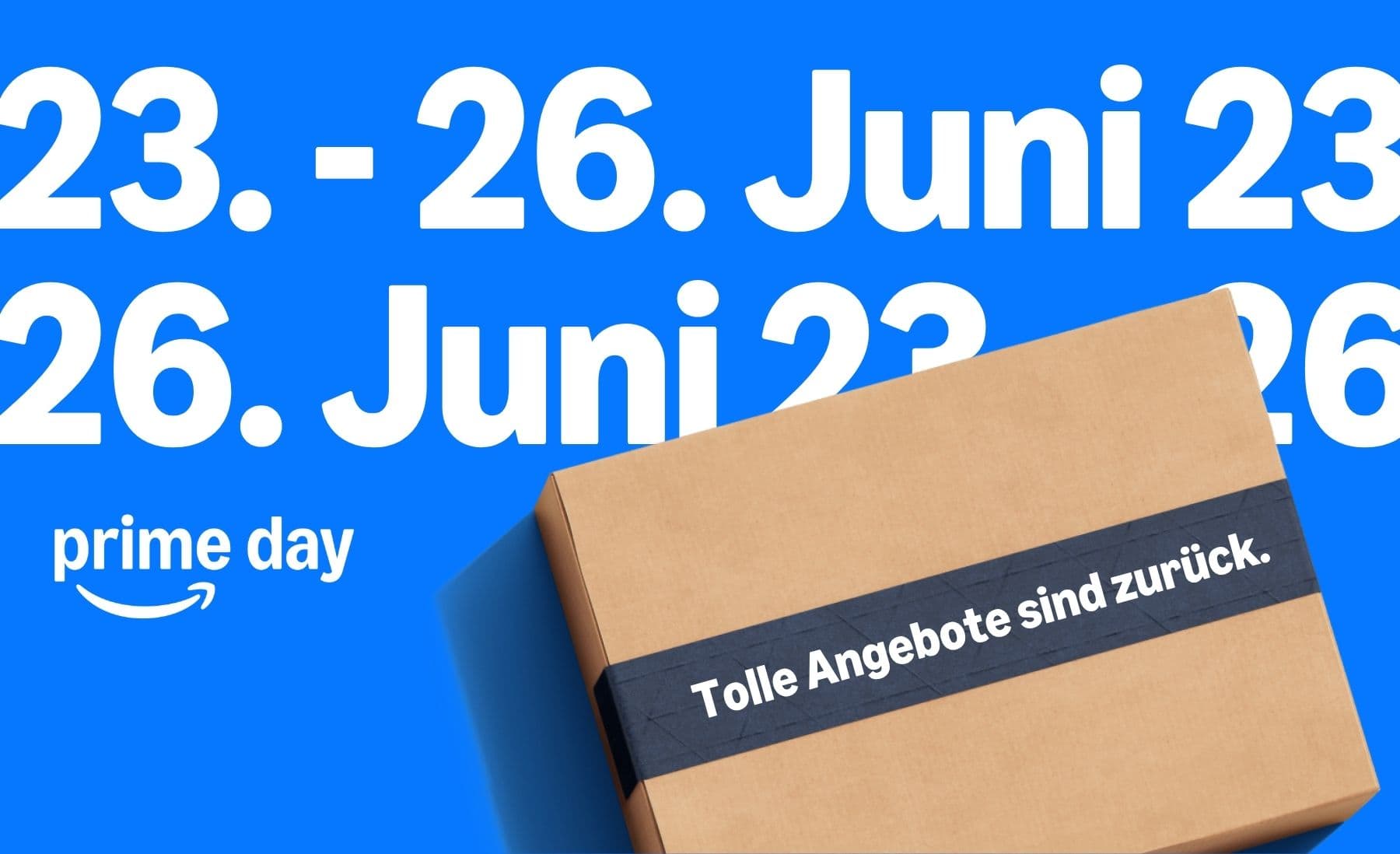
- Prime Day 2026: Officially confirmed: June 23-26, 2026, four days for the first time. Top Deals deadline: June 12, 2026.
- FBA inventory deadline: May 27, 2026. All stock must be in Amazon warehouses by then.
- PPC budget: +30-50% increase recommended, CPCs rise 30-70%
- Deal strategy: Submit Lightning Deals, Best Deals, and Prime Exclusive Discounts by June 12
- Post-event strategy: Retarget Prime Day visitors, stabilize rankings
It is official: Amazon has confirmed the dates, Prime Day 2026 runs from June 23 to 26, four days for the first time. Amazon has again moved up the event to create more distance from the summer vacation period and the fall event in October. The FBA inbound deadline was May 27, 2026, the Top Deals deadline is June 12. For sellers and vendors, preparation time is running now. In this checklist, we cover all areas from inventory planning to post-Prime Day strategy.
1. Inventory Planning: Start 12 Weeks Ahead
Inventory is the most critical factor for Prime Day success. Running out of stock means losing not only the day's revenue but also organic ranking that will be missing in the weeks afterward.
- Create inventory forecast: Take the average daily sales of the last 30 days and multiply by a factor of 3-5 for Prime Day week
- Plan FBA inbound: The official FBA inventory deadline for Prime Day 2026 is May 27, 2026. All goods must be in Amazon warehouses by this date. Later shipments may not be received in time
- Calculate safety stock: Plan 30% more than the forecast shows. Better too much than too little, especially for your top sellers
- Check IPI score: A low IPI can limit your storage capacity. Clear excess inventory now to make room for Prime Day goods
2. Listing Optimization: 6-8 Weeks Ahead
Prime Day brings a flood of visitors. Make sure your listings convert:
- Review main images: Are they high-resolution, click-worthy, and Amazon-compliant? Test alternative main images before Prime Day via A/B testing (Manage Your Experiments)
- Update title and bullet points: Integrate seasonal keywords like "Prime Day Deal" or "Top Deal" into the title only during the event (not before)
- Revise A+ Content: Add comparison tables with your own product variants to maximize cross-sells
- Update backend keywords: Check whether seasonal search terms are covered
- Build reviews: Use Amazon Vine for newer products to reach the review threshold of at least 15-20 reviews before the event
3. Deal Submissions: Deadline June 12, 2026
Amazon deals (Lightning Deals, Best Deals, Prime Exclusive Discounts) are the strongest conversion drivers on Prime Day. The official Top Deals deadline is June 12, 2026. Miss it and you're out.
- Lightning Deals: Time-limited offers (4-12 hours). Cost approximately 300-500 euros participation fee plus discount. High visibility on the Deals page
- Best Deals: Run throughout the entire event period. Require a minimum discount of 20% compared to the average price of the last 30 days
- Prime Exclusive Discounts: Visible only to Prime members. Minimum 10% discount, no badge on the Deals page, but strikethrough price on the product detail page
- Coupons: More flexible to use, lower threshold. Green coupon badge in search results significantly increases CTR
Prime Day Performance Benchmarks: Real-World Numbers
How significant is Prime Day in practice? The Marketplace Guys consistently observes the following performance patterns across managed accounts during the event:
- Sales increase on Prime Day: Sellers typically see 5 to 10 times their normal daily sales volume. Top sellers in well-prepared categories reach factors of 15-20x
- CPC increase: Cost per click rises by 30-70% compared to normal days. In highly competitive categories (electronics, beauty), the increase can be even higher
- Conversion rate boost: Conversion rates typically increase by a factor of 2-3x, as Prime Day shoppers come with high purchase intent. Deal products convert significantly higher
- Prime Day 2025 benchmarks: Amazon reported $14.2 billion in global sales during Prime Day 2025, making it one of the largest global shopping events
- Germany context: In Germany, Prime Day is the second-largest shopping event after Black Friday in the e-commerce calendar. Demand is particularly concentrated in electronics, household, and beauty
- Mobile share: 53.2% of all Prime Day purchases were completed on mobile devices in 2025. Listings must therefore be mobile-optimized, especially the main image and the first three bullet points
Amazon Prime Day 2026: What Is Different This Year?
Prime Day 2026 brings several significant changes compared to previous years. Sellers and vendors should factor these updates into their preparation:
- June timing: Amazon moved Prime Day 2026 to June, earlier than previous years. This means less overlap with the vacation season and a larger gap before the Fall Prime Event in October
- AI-powered deal recommendations (Rufus): Amazon's AI assistant Rufus plays a central role in product recommendations during Prime Day for the first time. Listings that are semantically rich and information-dense benefit disproportionately
- Sponsored TV ads for mid-size brands: Sponsored TV is now available for brands with mid-range budgets starting in 2026. A new upper-funnel visibility channel that can be particularly effective around Prime Day
- GPSR compliance required: Since December 2024, the EU General Product Safety Regulation (GPSR) is mandatory. Sellers must verify before Prime Day that all products meet GPSR requirements, including EU Responsible Person and labeling
- EU fee reduction improves margins: Amazon reduced FBA fees in the EU by an average of EUR 0.17 per unit. This improves margins and makes more aggressive Prime Day deals economically viable
Product Selection: Which ASINs to Push on Prime Day
Not every product is equally suited for Prime Day promotions. The Marketplace Guys recommends the following selection criteria for ASIN prioritization:
- At least 15 reviews and 4+ stars: Products with fewer reviews convert below average on Prime Day. Deal traffic is worthless without sufficient social proof
- Existing sales velocity: Products that already sell consistently benefit the most. The Prime Day boost amplifies the existing ranking trend
- Prepare new products: Use Amazon Vine 4-6 weeks before the event to build a review base for new products. 15-20 Vine reviews are sufficient in most categories
- Prioritize high-margin products: Deals reduce margins. Start with products that have enough margin to remain profitable after discount, increased CPC, and deal fees
- Bundles for higher AOV: Product bundles deliver above-average results on Prime Day. They increase the average order value and differentiate against single-product competitor offers
Common Prime Day Mistakes
The Marketplace Guys consistently sees the same avoidable mistakes when managing Prime Day campaigns. Sellers and vendors should avoid these six pitfalls:
- Starting preparation too late: The biggest and most common mistake. Those who begin planning just 2-3 weeks before Prime Day miss deal deadlines, lack sufficient inventory, and pay inflated CPC without optimized listings
- Running out of stock: Stock-outs during Prime Day cost not only the day's revenue but destroy organic ranking. Restocking after the event can take weeks to recover lost positions
- Not resetting bids after Prime Day: Many sellers forget to reduce elevated bids and budgets after the event. This leads to unnecessarily high wasted spend in the following week
- Ignoring the post-Prime Day halo effect: The 7-14 days after Prime Day offer elevated conversion rates and retargeting potential. Those who immediately return to normal operations waste valuable follow-up sales
- Setting deals too aggressively: A Lightning Deal with 40% discount sounds attractive, but if no positive margin remains after deal fees, CPC increases, and the discount itself, the deal is a loss-making exercise
- Not using Sponsored Brands Video: Video ads have the highest engagement rate of all formats on Prime Day. Many sellers rely exclusively on Sponsored Products and miss the potential of video content
4. PPC Budget Strategy: 4 Weeks Ahead
Advertising costs rise massively on Prime Day. CPC values climb by 30-70% compared to normal days. At the same time, traffic and conversion rates also increase.
- 4 weeks before: Increase daily budgets by 30%. Create and test new campaigns before CPC inflation sets in
- 1 week before: Increase budget by another 50%. Raise bids on top keywords by 20-30%
- On Prime Day: Double daily budgets or set to unlimited. Check budget consumption every 2-3 hours and increase daily budgets as needed
- Sponsored Brands Video: Particularly effective for Prime Day. Prepare video creatives with deal messaging
- Defensive campaigns: Protect branded keywords. Competitors will bid more aggressively on your brand keywords
5. Post-Prime Day Strategy: The Underestimated Phase
The biggest mistake after Prime Day: scaling everything back to normal operations. The week after the event offers enormous potential:
- Boost retargeting: Thousands of visitors viewed your product but did not buy. Run Sponsored Display retargeting campaigns at 150% of normal budget
- Secure organic ranking: The Prime Day sales boost massively improves your organic ranking. Keep PPC budget at 120% of normal for 2 weeks to stabilize the new ranking
- Collect reviews: Activate "Request a Review" for all Prime Day orders after 5 days
- Analyze data: Which keywords and audiences performed best? Use these learnings for Black Friday and Christmas
Timeline Overview: Prime Day 2026
- Now (April): Finalize inventory planning, optimize listings, start A/B tests
- By May 27: FBA inventory deadline. All stock must be in Amazon warehouses
- May-June: Ramp up PPC budgets, prepare Sponsored Brands Video creatives
- By June 12: Top Deals deadline. Submit all Lightning Deals, Best Deals, and Prime Exclusive Discounts
- June 23-26 (Event): Full campaign power, budget monitoring every 2-3 hours
- Late June/July (Post-Event): Intensify retargeting, stabilize ranking, document learnings for BFCM
Conclusion: Preparation Determines Success
Prime Day 2026 in June is coming faster than expected. Brands that start planning 12 weeks ahead maximize their revenue and protect their ranking. Those who wake up one week before the event are too late and pay inflated CPC for suboptimal results. Plan now, act early, and use Prime Day as a springboard for sustainable growth.