
Key Takeaways
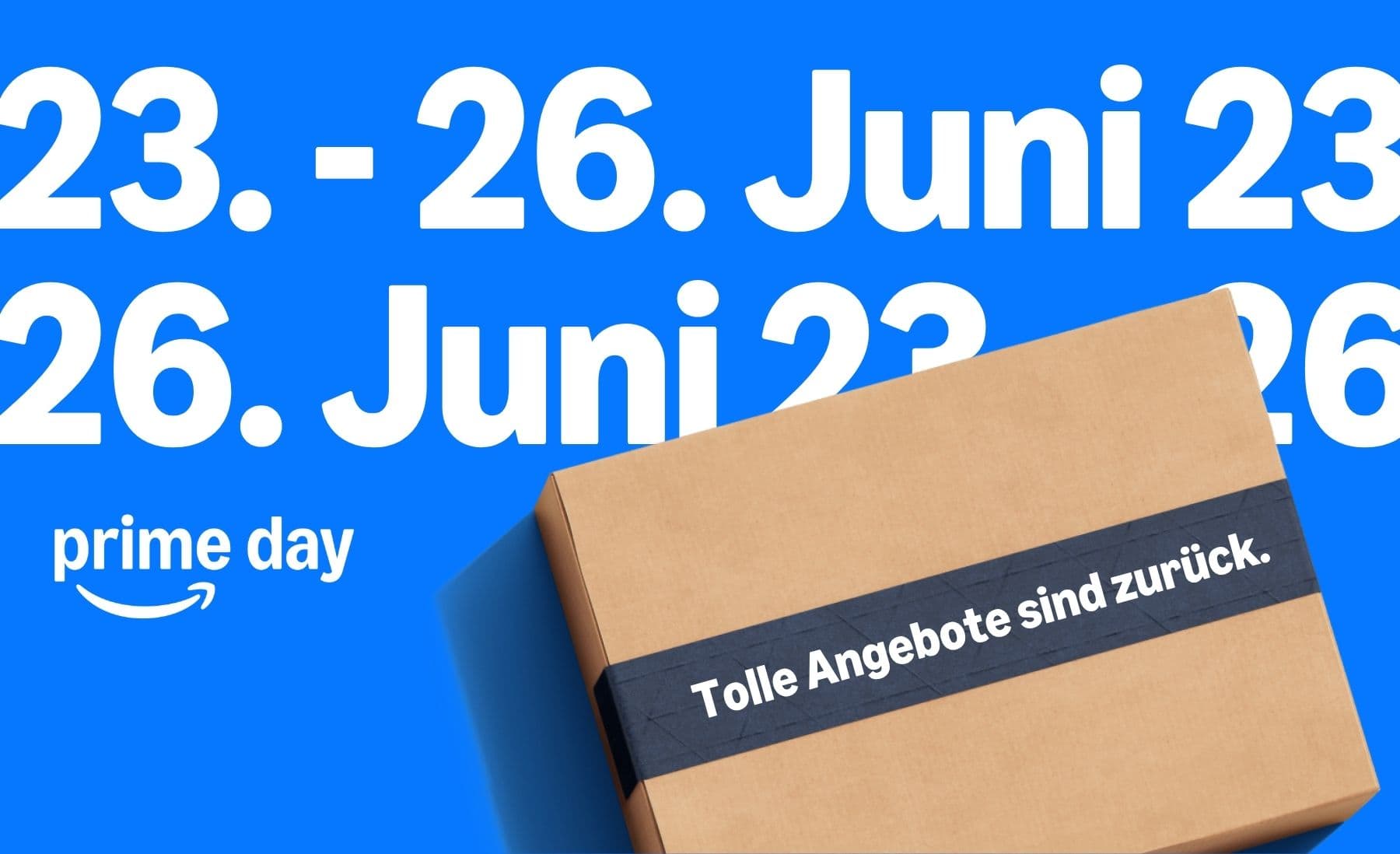
- Prime Day 2026: Offiziell bestätigt: 23.-26. Juni 2026, erstmals 4 Tage. Top-Deals-Deadline: 12. Juni 2026.
- FBA-Einlagerungsfrist: 27. Mai 2026. Ware muss bis dahin im Amazon-Lager sein.
- PPC-Budget: +30-50% Erhöhung empfohlen, CPCs steigen um 30-70%
- Deal-Strategie: Lightning Deals, Best Deals und Prime Exclusive Discounts bis 12. Juni einreichen
- Post-Event-Strategie: Retargeting der Prime-Day-Besucher, Ranking stabilisieren
Jetzt ist es offiziell: Amazon hat den Termin bestätigt, der Prime Day 2026 findet vom 23. bis 26. Juni statt, erstmals vier Tage lang. Amazon hat das Event damit erneut vorgezogen, um mehr Abstand zur Sommerferienzeit und zum Fall-Event im Oktober zu schaffen. Die FBA-Einlagerungsfrist war der 27. Mai 2026, die Top-Deals-Deadline ist der 12. Juni. Für Seller und Vendoren bedeutet das: Die Vorbereitungszeit läuft jetzt. In dieser Checkliste gehen wir alle Bereiche durch, von der Bestandsplanung bis zur Post-Prime-Day-Strategie.
1. Bestandsplanung: 12 Wochen vorher starten
Lagerbestand ist der kritischste Faktor für den Prime-Day-Erfolg. Wer ausverkauft ist, verliert nicht nur den Umsatz des Tages, sondern auch organisches Ranking, das in den Wochen danach fehlt.
- Bestandsprognose erstellen: Nimm den durchschnittlichen Tagesumsatz der letzten 30 Tage und multipliziere ihn mit dem Faktor 3-5 für die Prime-Day-Woche
- FBA-Anlieferung planen: Die offizielle FBA-Einlagerungsfrist für Prime Day 2026 ist der 27. Mai 2026. Ware muss bis zu diesem Datum im Amazon-Lager sein. Spätere Anlieferungen werden möglicherweise nicht rechtzeitig eingelagert
- Sicherheitsbestand kalkulieren: Plane 30% mehr ein als die Prognose zeigt. Lieber zu viel als zu wenig, besonders bei deinen Top-Sellern
- IPI-Score prüfen: Ein niedriger IPI kann deine Lagerkapazität begrenzen. Räume jetzt überflüssigen Bestand, um Platz für Prime-Day-Ware zu schaffen
2. Listing-Optimierung: 6-8 Wochen vorher
Prime Day bringt eine Flut an Besuchern. Stelle sicher, dass deine Listings konvertieren:
- Hauptbilder prüfen: Sind sie hochauflösend, klickstark und Amazon-konform? Teste alternative Hauptbilder vor dem Prime Day per A/B-Test (Manage Your Experiments)
- Titel und Bullet Points aktualisieren: Integriere saisonale Keywords wie "Prime Day Angebot" oder "Top Deal" nur während des Events in den Titel (nicht vorher)
- A+ Content überarbeiten: Füge Vergleichstabellen mit deinen eigenen Produktvarianten hinzu, um Cross-Sells zu maximieren
- Backend Keywords ergänzen: Prüfe, ob saisonale Suchbegriffe abgedeckt sind
- Bewertungen aufbauen: Nutze Amazon Vine für neuere Produkte, um vor dem Event die Review-Schwelle von mindestens 15-20 Bewertungen zu erreichen
3. Deal-Einreichungen: Deadline 12. Juni 2026
Amazon-Deals (Lightning Deals, Best Deals, Prime Exclusive Discounts) sind die stärksten Conversion-Treiber am Prime Day. Die offizielle Deadline für Top-Deals ist der 12. Juni 2026. Wer bis dahin keine Deals eingereicht hat, ist raus.
- Lightning Deals: Zeitlich begrenzte Angebote (4-12 Stunden). Kosten ca. 300-500 Euro Teilnahmegebühr plus Rabatt. Hohe Sichtbarkeit auf der Deals-Seite
- Best Deals: Laufen über den gesamten Event-Zeitraum. Erfordern einen Mindestrabatt von 20% gegenüber dem Durchschnittspreis der letzten 30 Tage
- Prime Exclusive Discounts: Nur für Prime-Mitglieder sichtbar. Mindestens 10% Rabatt, kein Badge auf der Deals-Seite, aber Streichpreis auf der Produktdetailseite
- Coupons: Flexibler einsetzbar, niedrigere Schwelle. Grünes Coupon-Badge in den Suchergebnissen steigert die CTR deutlich
Prime Day Erfahrungswerte: Zahlen aus der Praxis
Wie gross ist das Potenzial am Prime Day wirklich? The Marketplace Guys beobachtet bei betreuten Accounts regelmäßig folgende Entwicklungen während des Events:
- Umsatzsteigerung am Prime Day: Seller verzeichnen im Durchschnitt das 5- bis 10-fache ihres normalen Tagesumsatzes. Top-Seller in gut vorbereiteten Kategorien erreichen sogar den Faktor 15-20
- CPC-Anstieg: Die Klickpreise steigen um 30-70% gegenüber normalen Tagen. In besonders wettbewerbsintensiven Kategorien (Elektronik, Beauty) kann der Anstieg noch höher ausfallen
- Conversion-Rate-Boost: Die Conversion Rate steigt typischerweise um den Faktor 2-3, da Prime-Day-Käufer eine hohe Kaufabsicht mitbringen. Deal-Produkte konvertieren noch deutlich stärker
- Prime Day 2025 Referenzwerte: Amazon meldete 14,2 Milliarden US-Dollar an weltweitem Umsatz am Prime Day 2025. Das macht Prime Day zu einem der größten globalen Shopping-Events
- Deutschland-Kontext: In Deutschland ist Prime Day nach Black Friday das zweitgrößte Shopping-Event im E-Commerce-Kalender. Die Nachfrage konzentriert sich besonders auf Elektronik, Haushalt und Beauty
- Mobile Anteil: 53,2% aller Prime-Day-Käufe wurden 2025 über mobile Geräte abgeschlossen. Listings müssen daher zwingend mobile-optimiert sein, insbesondere das Hauptbild und die ersten drei Bullet Points
Amazon Prime Day 2026: Was ist dieses Jahr anders?
Der Prime Day 2026 bringt einige wesentliche Änderungen gegenüber den Vorjahren. Seller und Vendoren sollten diese Neuerungen in ihre Vorbereitung einbeziehen:
- Termin im Juni: Amazon hat den Prime Day 2026 in den Juni vorverlegt. Das bedeutet weniger Überschneidung mit der Ferienzeit und einen größeren zeitlichen Abstand zum Fall Prime Event im Oktober
- KI-gestützte Deal-Empfehlungen (Rufus): Amazons KI-Assistent Rufus spielt erstmals eine zentrale Rolle bei der Produktempfehlung während des Prime Day. Listings, die semantisch relevant und informationsreich aufgebaut sind, profitieren überproportional
- Sponsored TV Ads für mittelgrosse Marken: Sponsored TV ist ab 2026 auch für Marken mit mittleren Budgets verfügbar. Ein neuer Kanal für Upper-Funnel-Sichtbarkeit, der besonders rund um Prime Day effektiv sein kann
- GPSR-Compliance erforderlich: Seit Dezember 2024 ist die EU-Produktsicherheitsverordnung (GPSR) verbindlich. Seller müssen vor dem Prime Day prüfen, ob alle Produkte die GPSR-Anforderungen erfüllen, inklusive EU Responsible Person und Kennzeichnung
- EU-Gebührensenkung verbessert Margen: Amazon hat die FBA-Gebühren in der EU um durchschnittlich 0,17 Euro pro Einheit gesenkt. Das verbessert die Marge und macht aggressivere Prime-Day-Deals wirtschaftlicher
Produkt-Auswahl: Welche ASINs am Prime Day pushen?
Nicht jedes Produkt eignet sich gleichermassen für Prime-Day-Aktionen. The Marketplace Guys empfiehlt folgende Auswahlkriterien für die ASIN-Selektion:
- Mindestens 15 Bewertungen und 4+ Sterne: Produkte mit weniger Bewertungen konvertieren am Prime Day unterdurchschnittlich. Deal-Traffic bringt nichts, wenn das Social Proof fehlt
- Bestehende Sales Velocity: Produkte, die bereits regelmäßig verkauft werden, profitieren am meisten. Der Prime-Day-Boost verstärkt den bestehenden Ranking-Trend
- Neue Produkte vorbereiten: Nutze Amazon Vine 4-6 Wochen vor dem Event, um für neue Produkte eine Bewertungsbasis aufzubauen. 15-20 Vine-Reviews reichen in den meisten Kategorien aus
- High-Margin-Produkte priorisieren: Deals reduzieren die Marge. Starte daher mit Produkten, die genügend Marge bieten, um nach Rabatt und erhöhten CPC immer noch profitabel zu sein
- Bundles für höheren AOV: Produktbündel erzielen am Prime Day überdurchschnittliche Ergebnisse. Sie erhöhen den Average Order Value und differenzieren gegenüber Einzelprodukt-Angeboten der Konkurrenz
Häufige Fehler am Prime Day
The Marketplace Guys sieht bei der Betreuung von Prime-Day-Kampagnen immer wieder dieselben vermeidbaren Fehler. Diese sechs Punkte sollten Seller und Vendoren unbedingt vermeiden:
- Vorbereitung zu spät starten: Der größte und häufigste Fehler. Wer erst 2-3 Wochen vor dem Prime Day mit der Planung beginnt, verpasst Deal-Fristen, hat nicht genug Lagerbestand und zahlt überhöhteCPC ohne optimierte Listings
- Lagerbestand geht aus: Stock-Outs während des Prime Day kosten nicht nur den Tagesumsatz, sondern zerstören organisches Ranking. Ein Auffüllen nach dem Event kann Wochen dauern, um den Rankingverlust aufzuholen
- Gebote nach Prime Day nicht zurücksetzen: Viele Seller vergessen, erhöhte Gebote und Budgets nach dem Event zurückzufahren. Das führt zu unnötig hohem Wasted Spend in der Woche danach
- Post-Prime-Day Halo-Effekt ignorieren: Die 7-14 Tage nach dem Prime Day bieten erhöhte Conversion Rates und Retargeting-Potenzial. Wer sofort auf Normalbetrieb zurückfährt, verschenkt wertvolle Nachverkauefe
- Deals zu aggressiv setzen: Ein Lightning Deal mit 40% Rabatt klingt attraktiv, aber wenn nach Deal-Gebühr, CPC-Anstieg und Rabatt keine positive Marge bleibt, ist der Deal ein Verlustgeschäft
- Sponsored Brands Video nicht nutzen: Video-Ads haben am Prime Day die höchste Engagement-Rate aller Formate. Viele Seller setzen ausschliesslich auf Sponsored Products und verpassen das Potenzial von Video-Content
4. PPC-Budget-Strategie: 4 Wochen vorher
Die Werbekosten steigen am Prime Day massiv. CPC-Werte klettern um 30-70% gegenüber normalen Tagen. Gleichzeitig steigen aber auch Traffic und Conversion Rate.
- 4 Wochen vorher: Tagesbudgets um 30% erhöhen. Neue Kampagnen anlegen und testen, bevor die CPC-Inflation einsetzt
- 1 Woche vorher: Budget um weitere 50% erhöhen. Gebote auf Top-Keywords um 20-30% anheben
- Am Prime Day: Tagesbudgets verdoppeln oder unbegrenzt setzen. Budgetverbrauch alle 2-3 Stunden prüfen und Tagesbudgets bei Bedarf nachlegen
- Sponsored Brands Video: Für den Prime Day besonders wirksam. Video-Creatives mit Deal-Messaging vorbereiten
- Defensive Kampagnen: Branded Keywords schützen. Wettbewerber werden verstärkt auf deine Marken-Keywords bieten
5. Post-Prime-Day-Strategie: Die unterschätzte Phase
Der größte Fehler nach dem Prime Day: Alles auf Normalbetrieb zurückfahren. Die Woche nach dem Event bietet enormes Potenzial:
- Retargeting verstärken: Tausende Besucher haben dein Produkt angesehen, aber nicht gekauft. Sponsored Display Retargeting-Kampagnen mit 150% des normalen Budgets laufen lassen
- Organisches Ranking sichern: Der Prime-Day-Sales-Boost verbessert dein organisches Ranking massiv. Halte das PPC-Budget 2 Wochen lang bei 120% des Normalwerts, um das neue Ranking zu stabilisieren
- Bewertungen einsammeln: Aktiviere "Request a Review" für alle Prime-Day-Bestellungen nach 5 Tagen
- Daten auswerten: Welche Keywords und Audiences haben am besten performt? Diese Learnings für Black Friday und Weihnachten nutzen
Timeline-Übersicht: Prime Day 2026
- Jetzt (April): Bestandsplanung finalisieren, Listings optimieren, A/B-Tests starten
- Bis 27. Mai: FBA-Einlagerungsfrist. Alle Ware muss im Amazon-Lager sein
- Mai-Juni: PPC-Budgets hochfahren, Creatives für Sponsored Brands Video vorbereiten
- Bis 12. Juni: Top-Deals-Deadline. Alle Lightning Deals, Best Deals und Prime Exclusive Discounts einreichen
- 23.-26. Juni (Event): Volle Kampagnenpower, Budget-Monitoring alle 2-3 Stunden
- Ende Juni/Juli (Post-Event): Retargeting intensivieren, Ranking stabilisieren, Learnings für BFCM dokumentieren
Fazit: Vorbereitung entscheidet über den Erfolg
Prime Day 2026 im Juni kommt schneller als gedacht. Die Marken, die 12 Wochen vorher mit der Planung beginnen, maximieren ihren Umsatz und schützen ihr Ranking. Wer erst eine Woche vor dem Event aufwacht, ist zu spät und zahlt überhöhteCPC für suboptimale Ergebnisse. Plane jetzt, handle früh und nutze den Prime Day als Sprungbrett für nachhaltiges Wachstum.